



NASCAR changing Talladega stage lengths to combat fuel-saving tactics
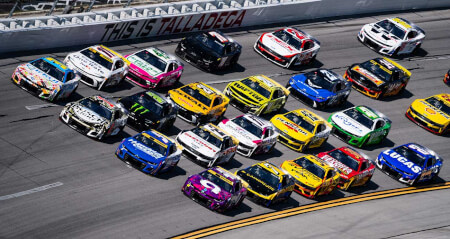
NASCAR will shorten stage lengths for the Cup Series race at Talladega Superspeedway on April 26, in response to the oft-criticized effect fuel-saving strategies of drivers and teams have impacted the racing product.
NASCAR has not yet announced what those lengths will be, but it was a topic addressed by NASCAR EVP and chief racing development officer John Probst on the latest edition of NASCAR’s official podcast, Hauler Talk.
“I think that coming out of Daytona, we have been working hand in hand with a lot of our race teams trying to largely break into two categories of things that we can do,” Probst said. “One is sporting-related things. Things like rules around pit stops or stage lengths or things of that nature. The other being in a technical bucket, which would be car changes, spoiler, power levels, things of that nature.
“As we went through all of our options … there is a little bit of reluctance to just make wholesale changes to any of the technical stuff in the middle of the season for fear of the unintended consequences. So, when you look at what’s in the sport bucket, things are things like the stage lengths and the order of the stage lengths. If you look at how generally a lot of our superspeedways were laid out, it was a short stage, short stage, and then a long stage at the end.”
The adjustment will be made in the final two stages, essentially flipping the stage order layout. NASCAR will make them short enough that the teams don’t have to make a fuel stop.
Talladega is the second traditional superspeedway race on the calendar. The season-opening Daytona 500 again saw drivers slowing the pace to save fuel, leading to laps being logged rather than competitive racing. It’s a strategy that teams have increasingly employed in recent years, with the entire field knowing it gives them the best chance to be where they need to be at the end of the race.
Additionally, Probst revealed that there will “likely” be a test in January to work through any car changes. It would harken back to the sport's annual preseason testing ahead of each new season.
“We’ll go down there and try some different power levels and spoilers and maybe some other car-type things to see what we can do there to mitigate it further,” Probst said. “I think it’s important to point out that this is a tool now that the teams know, and it’s not something that I think is ever going to go away because these guys will look for every possible advantage they can get. And that’s reasonable on that end. I think what we can do is take steps to mitigate that and I think looking at the sporting stuff we can do quick and get a read on it this year, and then looking at some car things next year, is our best chance for success there.”
For more information: www.racer.com
For more Industry News, please Click Here
For more information: www.racer.com
For more Industry News, please Click Here