



MotoGP’s Global Growth, Technical Evolution and Future Vision with Alfonso Cartujo
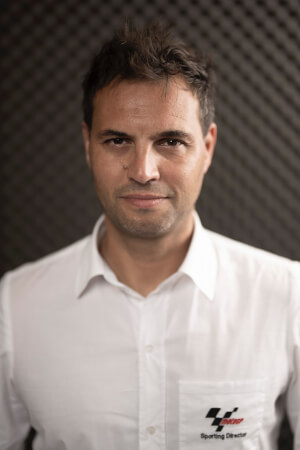
During a special live session at Race Industry Week, Alfonso Cartujo, Sporting Director of Dorna Sports, offered a comprehensive look into the state of MotoGP, its unprecedented growth, unmatched competitiveness, and the bold initiatives shaping the future of the world’s premier motorcycle racing championship.
An engineer by training, Cartujo is now in his 14th season leading MotoGP’s sporting operations. He reflected on the extraordinary scale and heritage of the sport, which began in 1949, making it the oldest motorsport world championship in history. As MotoGP closes out its 77th season, the championship is experiencing one of the most successful periods in its history.
A Record-Setting 2025 Season
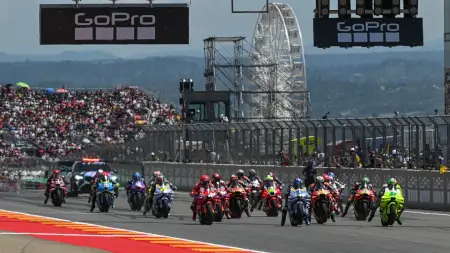
The 2025 MotoGP season set new benchmarks across multiple fronts. For the first time, the series hosted 22 Grand Prix in a single season, with the addition of new destinations including a return to Hungary on an all-new circuit and the Czech Republic after a four-year absence. With the now-established weekend format featuring Sprint races, qualifying, and multiple championship classes, race weekends delivered nonstop, high-intensity action.
Perhaps the most compelling storyline of the season was the historic comeback of Marc Márquez, who captured the world championship after a five-year battle with injuries. Cartujo described it as “one of the greatest comebacks, not only in our sport but in motorsport history.”
Fan engagement soared as well, with over 3.6 million spectators attending races globally, breaking attendance records at nearly half the venues on the calendar. MotoGP also introduced a successful season launch event, further strengthening its global media presence.
What Makes MotoGP the Most Thrilling Motorsport on Earth
Cartujo emphasized that MotoGP’s appeal lies in its pure unpredictability, constant overtaking, and intense physical demands placed on the riders. With tenths of a second separating the top ten riders in qualifying, competition has never been tighter. Incredibly, 10 of the 11 teams on the grid reached the podium this season, showcasing a level of parity rarely seen in motorsport.
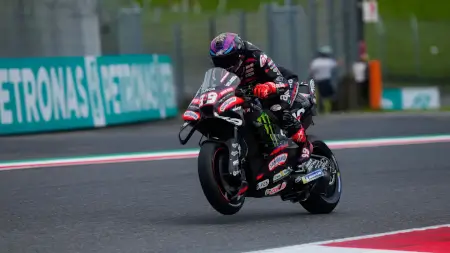
Unlike other forms of racing, MotoGP gives fans a clear view of the athlete’s physical input and body movement, forging a stronger emotional connection between rider and viewer. The spectacle of riders wrestling 320-km/h machines through corners, combined with breathtaking crash recoveries and on-the-limit saves, adds a dramatic human element unmatched anywhere else in racing.
Strategic Global Expansion: South America, North America and Beyond
MotoGP is continuing its aggressive global expansion. In 2026, the championship will return to Brazil after a 20-year absence on a purpose-built new circuit. Plans are also in motion for a return to Buenos Aires in 2027, further strengthening MotoGP’s footprint in South America.
This growth is complemented by a surge in regional talent. Diogo Moreira of Brazil captured the Moto2 World Championship in 2025 and will graduate to MotoGP next season. Rising stars from Colombia and Argentina are also making their presence felt, reinforcing MotoGP’s commitment to global rider development.
Liberty Media and the Commercial Evolution of MotoGP
Cartujo confirmed that Liberty Media’s involvement is already helping accelerate MotoGP’s commercial growth. Their focus on brand development, team sustainability, and entertainment-driven fan engagement is opening new revenue streams for teams and strengthening long-term stability across the paddock.
While the on-track product remains world-class, Cartujo stressed the importance of enhancing the off-track entertainment experience to reach broader global audiences and keep fans engaged between events.
A New Rider Development Pathway
MotoGP is also restructuring its talent development system under a single global brand, beginning with MotoMini for riders as young as 10 years old, and progressing through equal-machinery championships all the way to MotoGP. The objective is to eliminate regional barriers, expand access beyond traditional European markets, and make top-level racing more attainable for young talent worldwide.
Harley-Davidson and the New Bagger World Cup
In a major move to strengthen MotoGP’s North American presence, Dorna Sports announced a new Harley-Davidson Bagger World Cup, set to debut across approximately five to six MotoGP race weekends beginning next season. The class will introduce a bold new spectacle to the MotoGP paddock and connect directly with one of the most iconic American motorcycle brands in history.
Technology, Parity, and the 2027 Regulation Shift
MotoGP enters a technical transition phase in 2026, with a sweeping regulation overhaul planned for 2027. These changes will include:
- Reduced engine displacement
- Simplified aerodynamics
- Elimination of ride-height devices
- Increased emphasis on rider skill over electronics
The aim is to control costs, maintain competitive balance, and slightly return the sport to its mechanical roots while preserving innovation. Cartujo noted that the goal is to keep racing fair, unpredictable, and manufacturer-relevant in a rapidly evolving global mobility landscape.
The Global Logistics of a Motorsport Flying Circus
Behind every MotoGP weekend lies one of the most complex logistics operations in global sports. Overseas rounds require five Boeing 777 cargo aircraft, supported by nearly 400 transport trucks across Europe. Every race involves moving thousands of parts, tools, bikes, and personnel worldwide—an effort Cartujo aptly described as a true “flying circus.”
The Massive Supplier Ecosystem Behind the Grid
Beyond the manufacturers, MotoGP relies on a vast ecosystem of fuel companies, lubricant suppliers, electronics firms, material specialists, tire manufacturers, and crash-repair services. With frequent crashes and relentless development cycles, supplier involvement represents not only major financial investment but also constant technological evolution at the highest level.
MotoGP’s Vision for the Future
Looking ahead, MotoGP’s long-term vision centers on:
- Expanding its global footprint
- Enhancing storytelling and digital engagement
- Introducing radio communications between riders and teams
- Deepening fan access to the athletes’ race-day mindset
- Growing commercial sustainability for teams and manufacturers
Cartujo concluded that MotoGP already delivers one of the greatest on-track products in world sport. The next phase is ensuring the global audience fully experiences the depth, drama, and technology that defines it.