



Chip Ganassi Racing Dominates the IndyCar Landscape as Mike Hull Reflects on Championship Culture
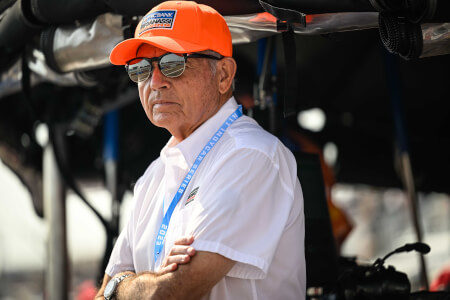
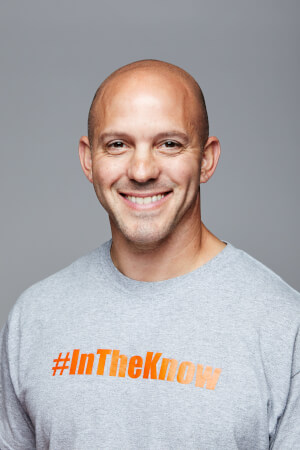
During Race Industry Week, Chip Ganassi Racing Managing Director Mike Hull delivered a masterclass in championship leadership, offering rare insight into the culture, philosophy, and performance engine behind one of the most dominant seasons in modern NTT INDYCAR SERIES history.
In a year defined by precision, consistency, and relentless execution, Chip Ganassi Racing captured an extraordinary nine race victories, including eight wins by reigning superstar Alex Palou, in an era where spec equipment has compressed competition tighter than ever before. Hull emphasized that the foundation of this success lies not in budget or technical advantage alone, but in a deeply ingrained culture of unselfish teamwork and shared racecraft.
“The definition of teamwork is everybody being unselfish,” Hull explained. “We allow free-spirited talent to take full advantage of the people around them. That’s how you win championships.”
Alex Palou: The Complete Modern Driver
Hull credited Palou’s meteoric rise to a rare combination of mental discipline, instinctive racecraft, and emotional reset ability—the capacity to immediately move on from success or adversity and focus on the next corner. Since joining Ganassi in 2021, Palou has evolved from promising talent into a benchmark driver for the modern IndyCar era.
“Racing is about recovery on the next lap,” Hull noted. “Alex has that ability in a way very few drivers ever do.”
Now widely regarded as a complete driver, Palou’s smooth inputs and adaptability—especially with the introduction of hybrid power—have helped separate him even from legends like Scott Dixon, who Hull remains confident will once again rise to equal footing through the team’s open data-sharing culture.
The Ganassi Formula: Shared Knowledge, Unshakable Belief
Hull emphasized that Ganassi’s edge is not secrecy, but information transparency between drivers and crews, a philosophy that has sharpened the team across multiple generations of champions from Dario Franchitti to Dan Wheldon to Dixon and now Palou.
That culture also extends to race-day mindset.
“Qualifying seventh is not the end of the world to us,” Hull said. “We always believe we can win.”
That belief, reinforced across drivers, engineers, and partners, creates what many competitors quietly acknowledge as Ganassi’s signature inevitability on race weekends—no matter the starting position.
Meyer Shank Partnership and the Charter System
Hull confirmed that the technical partnership with Meyer Shank Racing has created meaningful competitive advantages, particularly under IndyCar’s increasingly restrictive test environment. With limited testing opportunities, shared race-weekend data has become a critical differentiator.
He also addressed the IndyCar charter system, calling it a long-term investment in the health and valuation of the series.
“It protects the teams, builds franchise value, and gives broadcasters confidence. It’s just beginning to show its full effect.”
Chip Ganassi’s Leadership Advantage
Hull described owner Chip Ganassi as a rare breed in modern motorsport—a true sole-proprietor racer, fully immersed in one objective: winning.
“Chip is a forecaster. He sees things coming long before they happen,” Hull said. “If he ran any business outside of racing, it would be just as successful.”
Unlike multi-industry ownership models, Ganassi’s singular focus allows rapid decision-making and long-range planning that few organizations can match.
Looking Forward: Sustaining Greatness
As IndyCar continues evolving with hybrid technology, media expansion, and structural stability through charters, Hull believes the next challenge for Ganassi Racing is not dominance—but sustained excellence.
“The key is working on today. Not polishing trophies. Make room for the next one.”
With Palou at his competitive peak, Dixon still evolving, and young talent like Kiffin Simpson absorbing championship-level racecraft, Chip Ganassi Racing enters the next era of IndyCar competition positioned not just as a winner—but as the sport’s enduring performance benchmark.